

AI-ENABLED
EXPERIMENTS AT THE EDGE OF TRADITIONAL AND EMERGING.
Over the past few years, AI has crept into creative communications in ways that are equal parts fascinating and unsettling. I've watched it shed its reputation as an industry pariah and earn a seat at the table as a legitimate supplemental tool. Adobe has woven AI directly into Creative Cloud, positioning itself as the front-end interface for its own generative engine. Higgsfield AI now plugs directly into Photoshop and After Effects. Adobe Firefly is genuinely impressive in its in-app generative capabilities. The way we produce, design, and delight is shifting.
I jumped into some of the more robust models early, mostly out of curiosity, and found something worth holding onto: workflows that raised the "wow" factor without crushing the budget. That's primarily where AI earns its place in my process. It replaces the stock photo and footage houses I'd otherwise rely on, delivering quality, targeted assets that help tell the story faster.
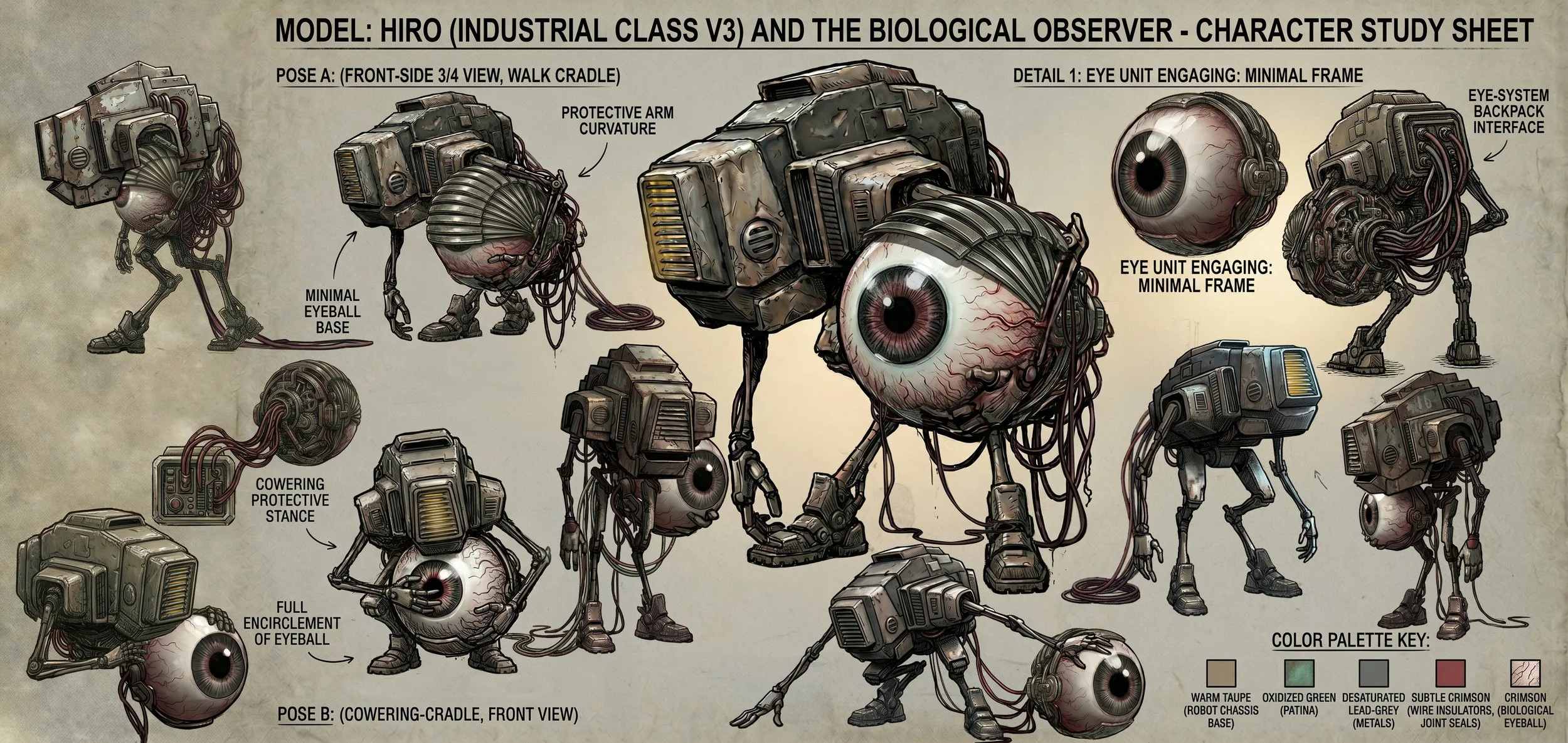
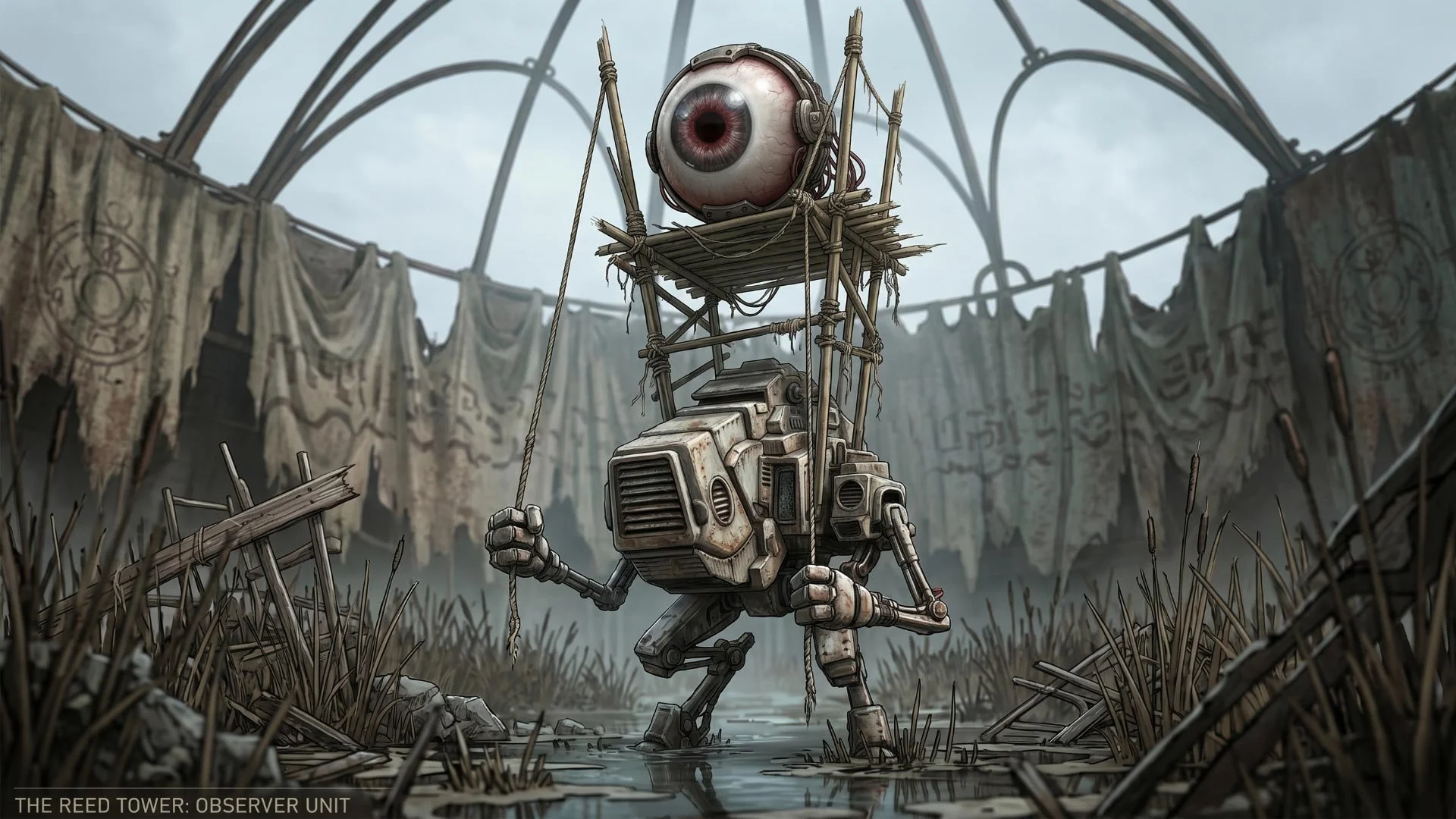
What you'll find in this section is a mix of traditional design, motion, and illustration, with AI workflows woven in where they make sense. Some of it is pure experimentation. Some have made it into client work, either because the fit was right or because a tight budget made it the smartest path forward. The debate around AI in creative work is ongoing, and I don't plant a flag on either side. I treat it like any other app, process, or system in my toolkit: useful when it's useful, set aside when it's not.




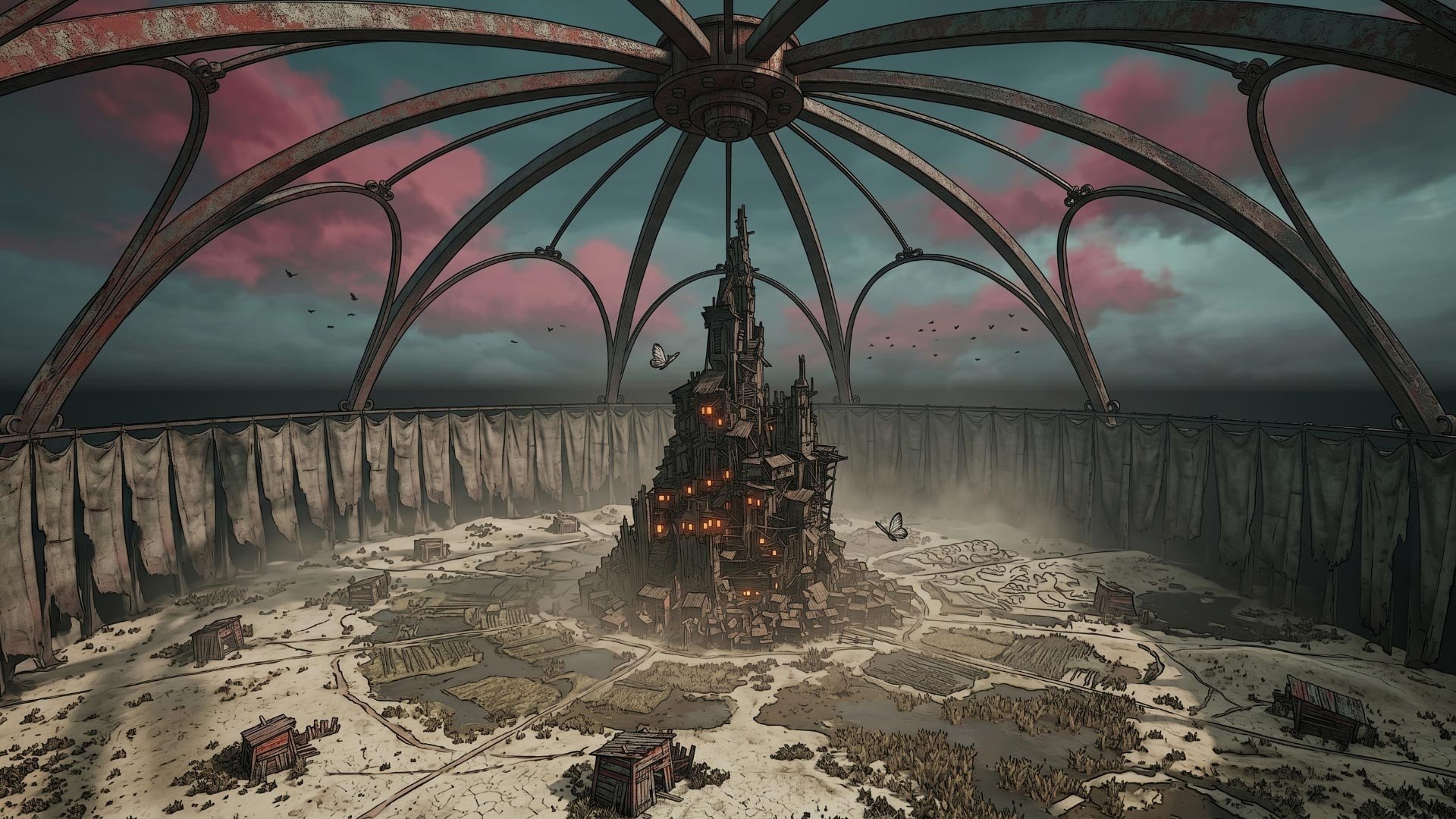

A STORY IN A PITCH
What tells a story better than video? With AI-powered production accelerating the process, brands can now move faster and spend less, without sacrificing impact.
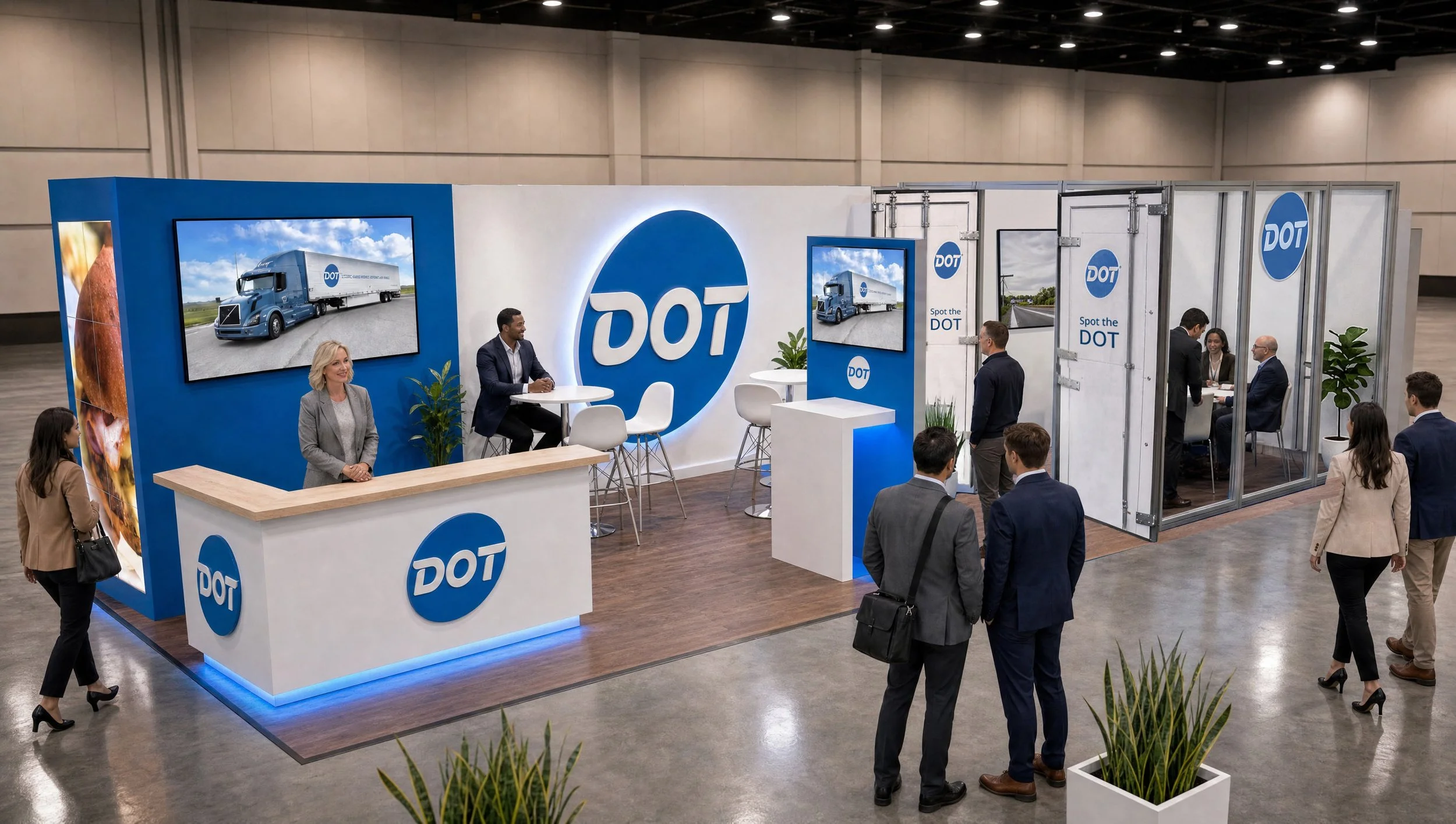
When Maritz needed to stand out to Dura-Last in a competitive RFP for their 2028 employee event in San Diego, we helped them bring the sizzle. Alongside rendered scenic design and staging concepts, we created a short storytelling video that brought their vision to life. Together, these elements gave Maritz's pitch the edge it needed to rise above the competition.
RIGGING VS. AI
Anyone who has spent time in motion design knows the process: design the character, prep the assets, build the rig, and animate. It's effective, but it can also be incredibly time-consuming.
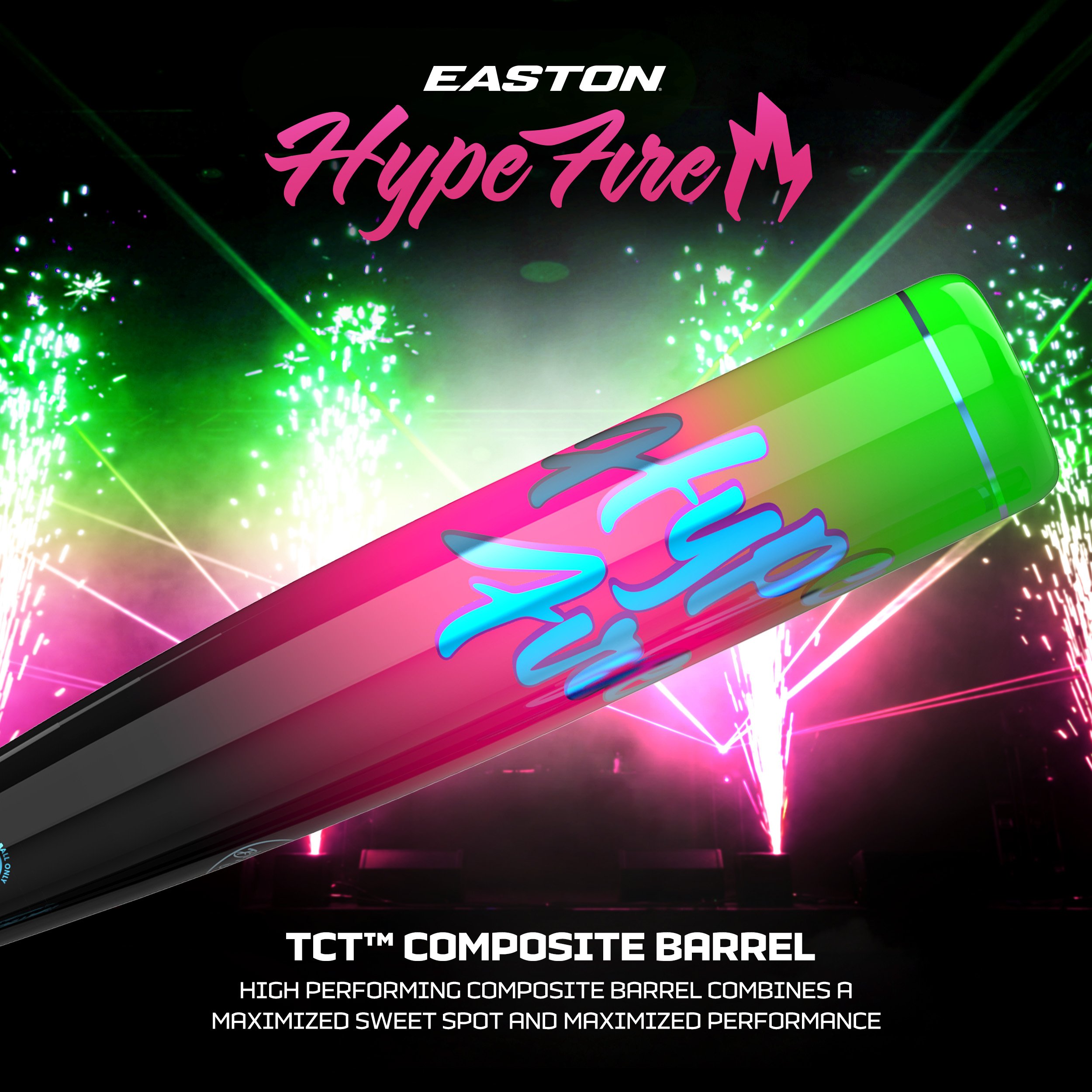
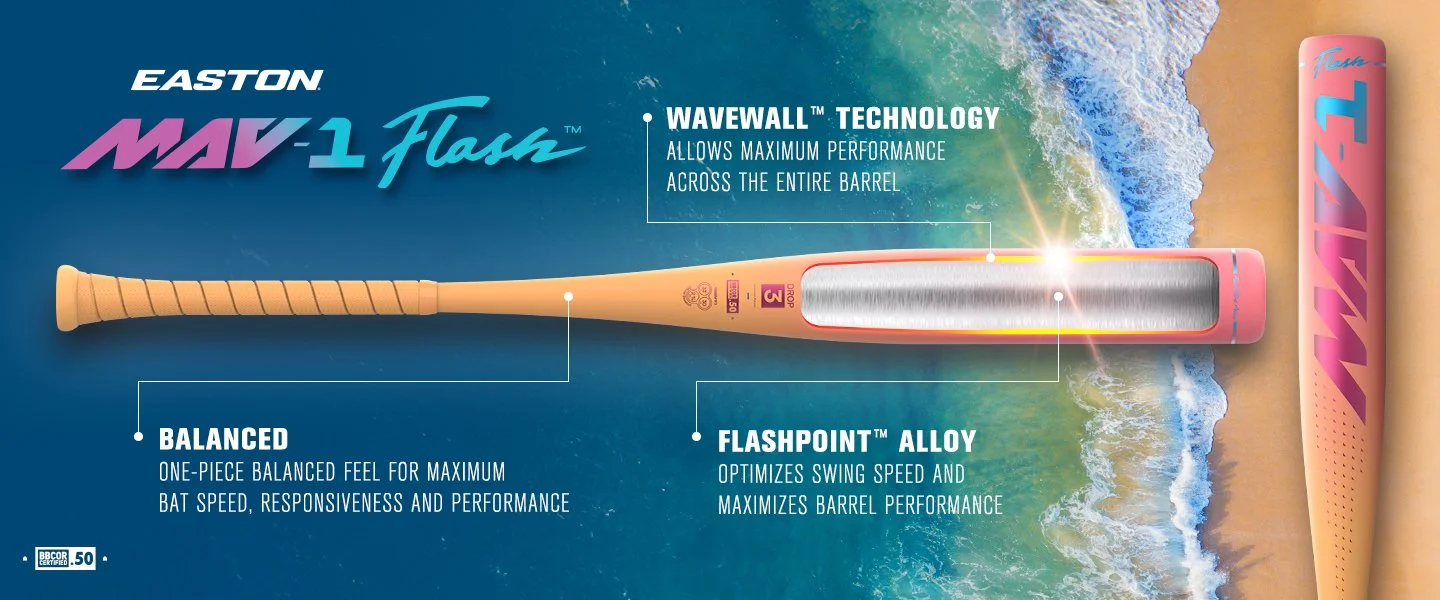
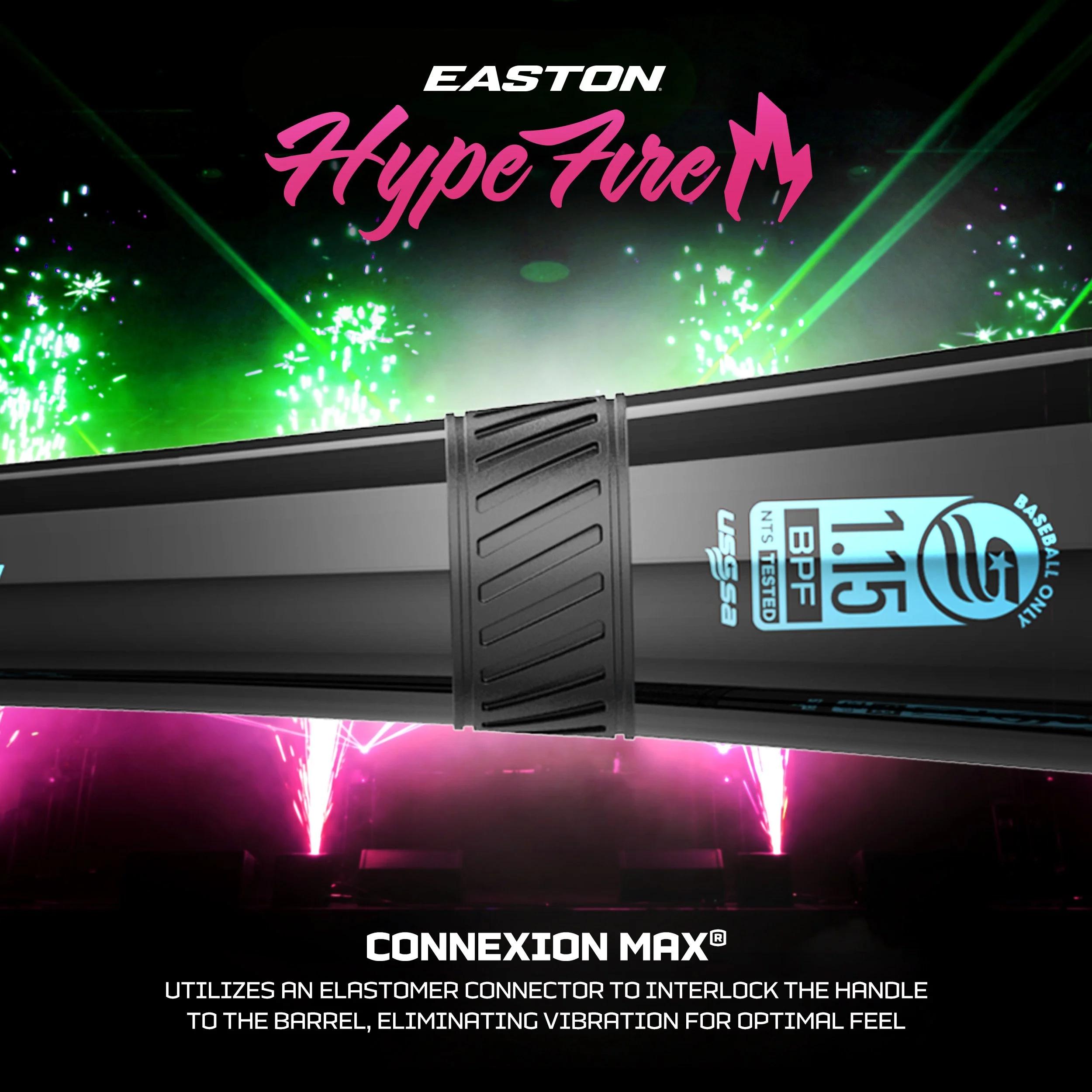
For a recurring Rawlings/Easton training series featuring a washed-up minor leaguer named "Dino," I recently replaced my traditional rigging workflow with an AI-powered animation process. The result is faster production and a level of character performance that feels far more natural and expressive than what I could achieve through rigging alone. What once would have required a team of animators can now be accomplished as part of a streamlined solo workflow.
BRINGING BRAND ASSETS TO LIFE
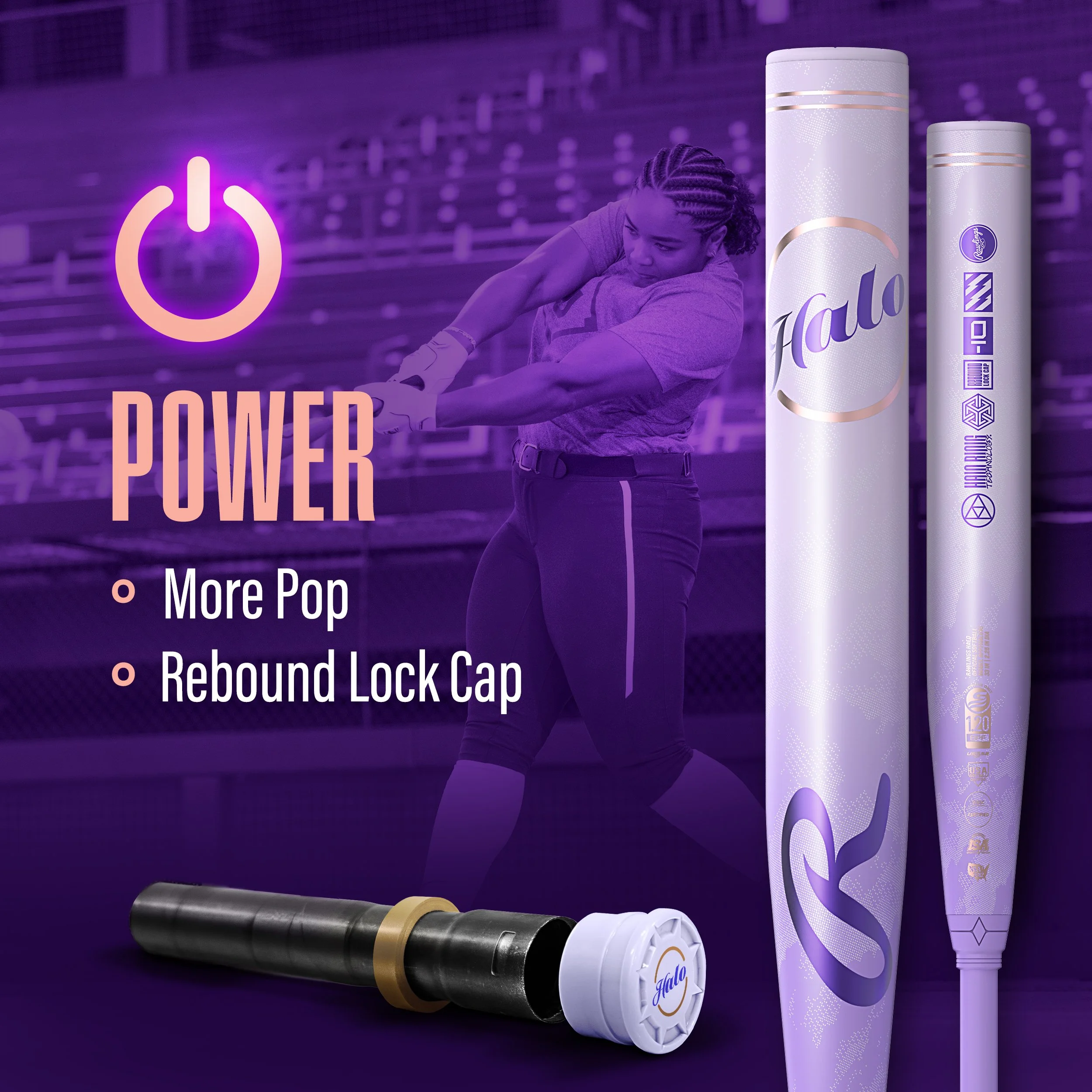
Not every project comes with a full library of polished brand assets, and that's okay. When the materials I'm given need an extra push to really sizzle, I turn to a mix of tools built for exactly that. Using Photoshop and Adobe Generative Fill, I can isolate, extend, and refine existing brand elements, filling in gaps and creating variations that stay true to the original identity. From there, AI engines like Seedance 2.5 let me bring those static assets to life through animation, adding movement and energy that make content feel dynamic and current. The result is brand work that goes beyond the basics: assets that are sharper, more flexible, and built to grab attention, even when I'm starting with less than a complete toolkit.
DRAWING IN AI
A recent experiment had me bringing hand-drawn sketches to life through AI, and what started as simple curiosity quickly revealed something more interesting. Yes, I wanted to see my drawings animated, but the deeper discovery was just how powerfully a rough sketch can anchor an AI's output. Rather than cycling through dozens of generations hoping the model stumbles onto your vision, a drawing cuts straight to it. The lines on the page act as a shared language, translating the thought in your head into something the AI can actually read.
The results were compelling: dynamic animations that felt genuinely faithful to the original sketches, and a workflow that was faster and more intuitive than prompting with words alone. It turns out that drawing something, even loosely, is one of the most efficient things you can do before reaching for a prompt.
STAGING & ACTIVATION GENERATION
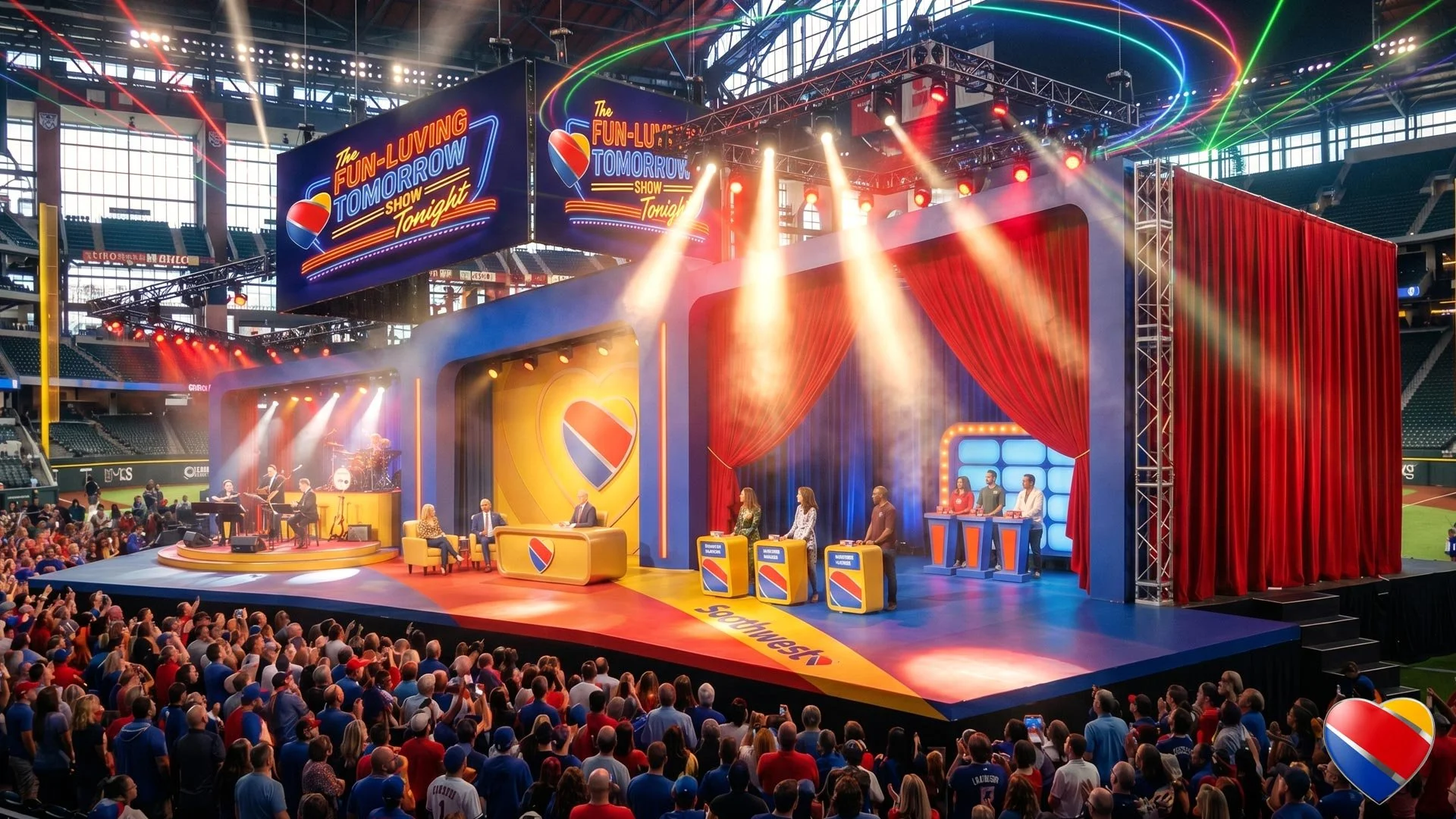
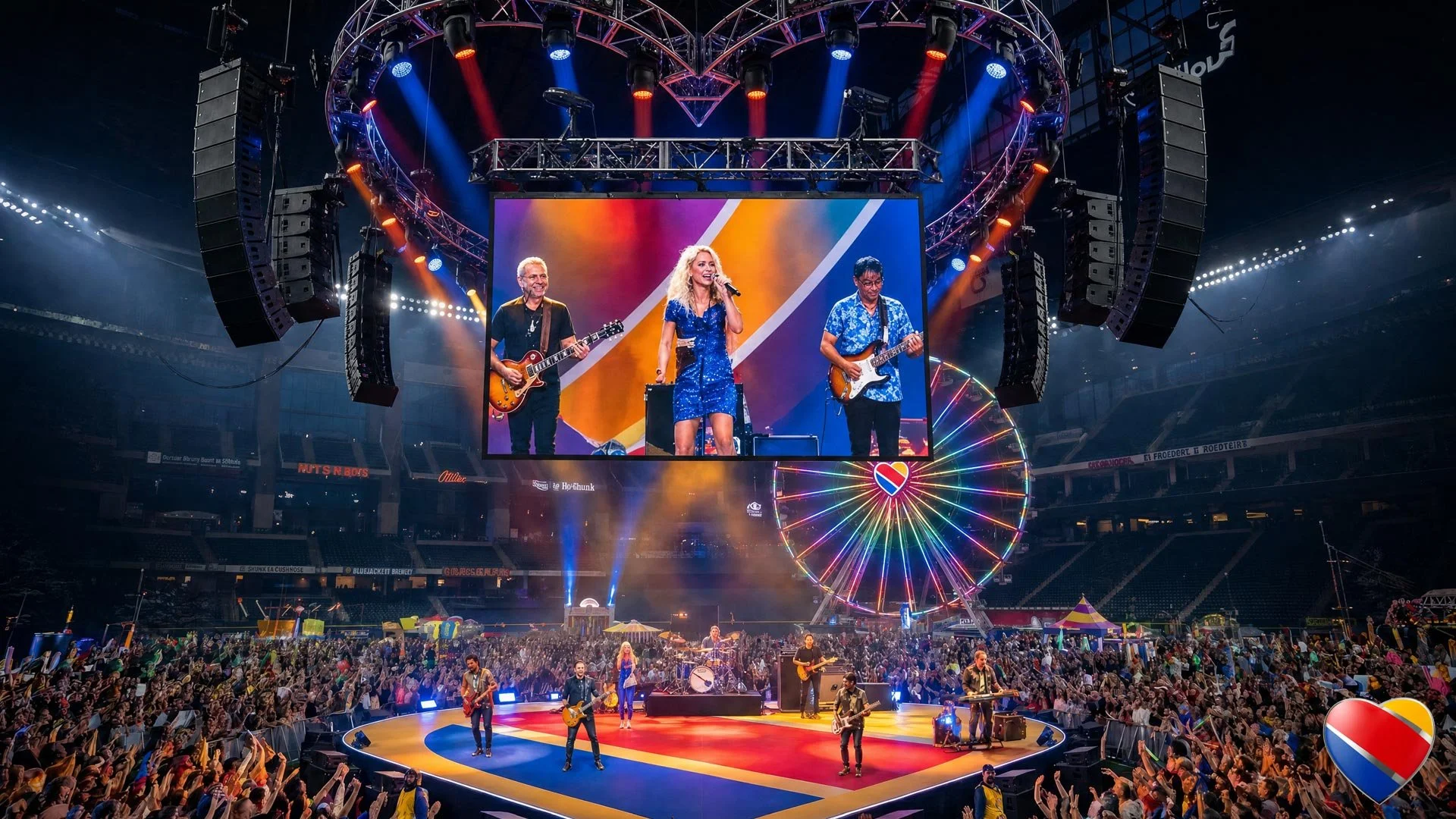
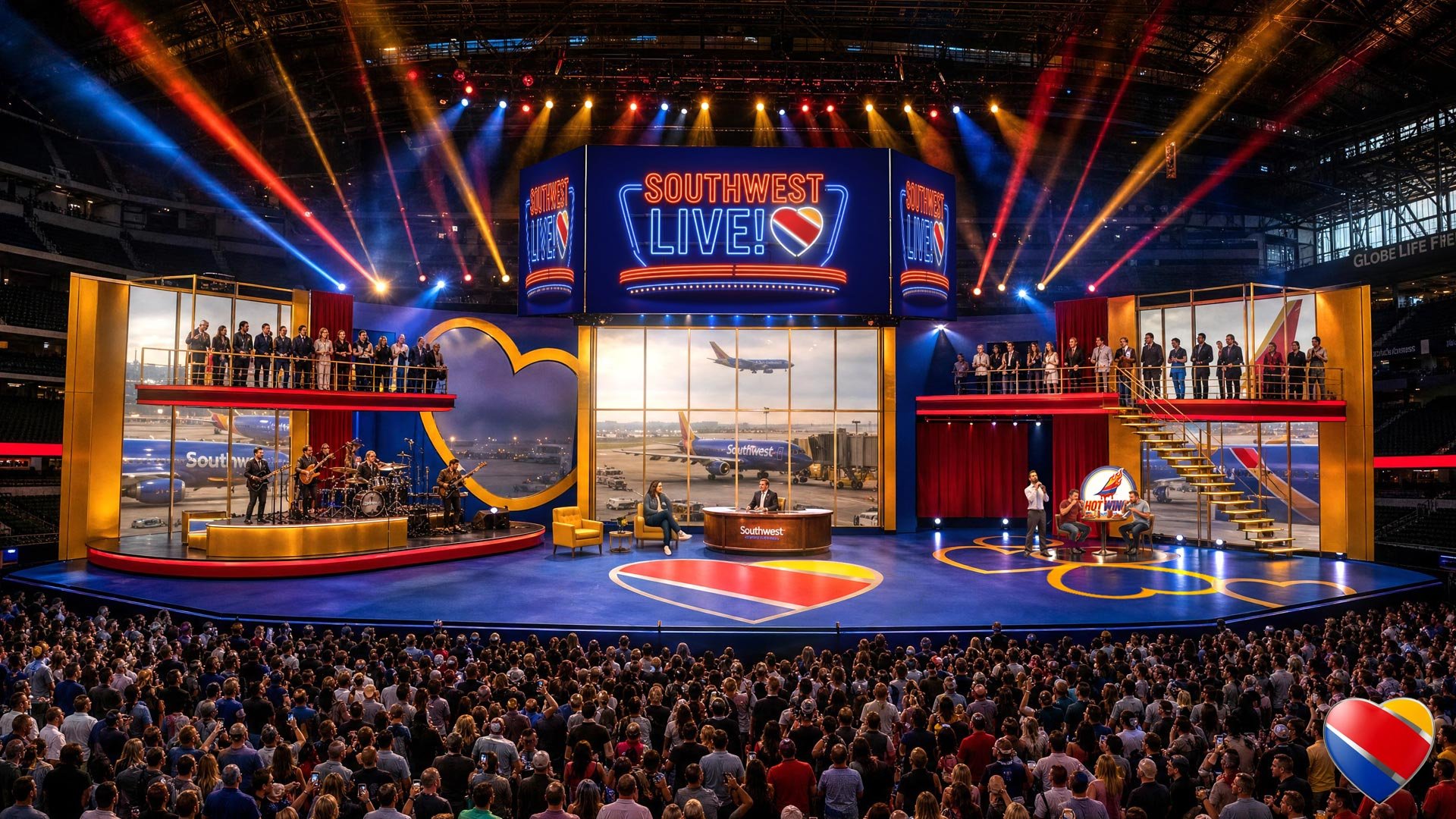
When CPG Agency needed to bring a large-scale employee appreciation event to life at Globe Life Field in Arlington, Texas, the challenge wasn't just creative — it was logistical. The concept had to be compelling enough to build excitement, practical enough to satisfy venue requirements, and concrete enough to keep production on budget before a single dollar was committed to build.
Working alongside the CPG team, I combined traditional illustration with AI image generation to solve all three at once.
STORYBOARD TO REALITY
If you've been working with AI over the last few years, you've seen how dramatically image generation has evolved. Early models struggled to translate storyboard panels and sketches into usable scenes accurately. When that capability finally emerged, it became a significant competitive advantage. Today, it's standard practice.
Storyboard panels and rough sketches now serve as powerful inputs, helping guide AI toward more consistent, production-ready results while dramatically reducing iteration time. As I develop a new AI-driven short film, I'm relying almost entirely on storyboard frames and sketches to generate character references, establish detailed scene compositions, and create location concepts. Rather than starting from text prompts alone, I'm using visual development techniques familiar to traditional production pipelines to bring greater control, consistency, and efficiency to the creative process.
Corporate training teams rarely have the budgets of marketing departments, so creative production approaches are essential. Scenario-based training requires consistent characters and environments, which traditionally meant actors, locations, crews, and significant production costs.
In this example created for Procter & Gamble, I combined my illustration skills with AI to depict a workplace sexual harassment scenario. Starting with storyboarded scenes, I used AI to bring the characters and environment to life, creating a realistic training experience without the expense and logistics of a live-action shoot.
SCENARIO STORYTELLING

AI IMAGE/VIDEO GENERATION - EXPLORATION
"Last Chance" is a short AI-generated movie/music video that follows a crew of galactic explorers who uncover more than they ever imagined. Styled with vintage 1950s sci-fi cinema vibes, the film drifts from the thrill of discovery into a spiraling descent into space-induced madness.
Casually crafted over several months, the project evolved alongside the rapidly changing tools used to create it. As new features emerged, the visuals grew more dynamic—and the story shifted with them, expanding into strange, unexpected directions.
The original score is performed live, with one exception: the drummer is AI.
I had way too much fun making this—hope you have half as much fun watching it.